⚠️ SAFETY FIRST: READ BEFORE STARTING
Working on electric showers is dangerous. You are dealing with a high-voltage appliance (240V) and water.
ISOLATE POWER: Always turn off the electricity at the main consumer unit (fuse box) and pull the isolation cord before removing the shower cover.
VERIFY DEAD: Use a voltage tester to ensure no power is reaching the unit.
LEGALS: In the UK, major electrical work in bathrooms is "Part P" regulated. If you are not a competent person or are unsure of these tests, stop and consult a Part P qualified electrician.
DISCLAIMER: You follow these guides at your own risk. This site and its authors are not liable for any injury, loss, or damage caused by your repairs.
Trouble shooting a Redring active 320 electric shower , testing element and tco thermal cut out as well as micro switches and solenoid valve.

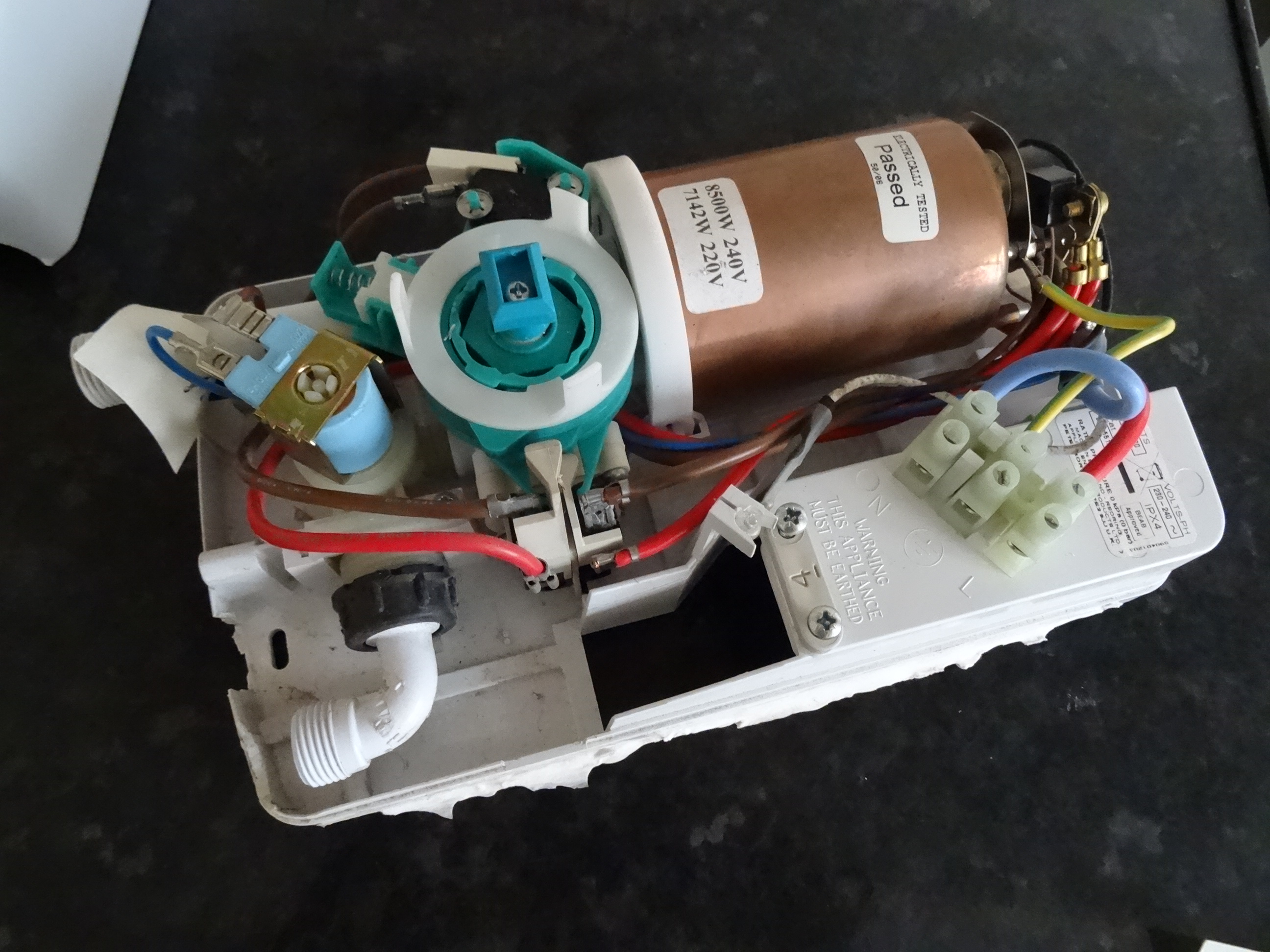
Redring Active 320 Technical Specs:
Heating Elements: You should see approx. 11 ohms to 13 ohms on each element (depending on kW rating). Total resistance for a healthy 8.5kW tank is around 6.5 Ohms when tested in parallel.
Solenoid Coil: Redring solenoids usually read between 3.5-4k ohms . If it’s open circuit, the water won't flow.
Thermal Cut-Out (TCO): This is a non-resettable safety device. If there is no continuity 0 ohms, the part must be replaced.
Warning: Never bypass a TCO to test a shower; it is a critical fire safety component.
See the entire testing process in the below video.
Buy electric shower parts on Ebay UK here
Need a Multimeter for testing try on Ebay UK here
Q: My Redring Active 320 has power but no hot water. What is the cause?
A: The most common cause for 'no heat' in a Redring 320 is a failed Thermal Cut-Out (TCO) caused by scale buildup in the tank, or a burnt-out microswitch on the selector assembly. Use a multimeter to check continuity on the TCO first.

No comments:
Post a Comment