⚠️ SAFETY FIRST: READ BEFORE STARTING
Working on electric showers is dangerous. You are dealing with a high-voltage appliance (240V) and water.
ISOLATE POWER: Always turn off the electricity at the main consumer unit (fuse box) and pull the isolation cord before removing the shower cover.
VERIFY DEAD: Use a voltage tester to ensure no power is reaching the unit.
LEGALS: In the UK, major electrical work in bathrooms is "Part P" regulated. If you are not a competent person or are unsure of these tests, stop and consult a Part P qualified electrician.
DISCLAIMER: You follow these guides at your own risk. This site and its authors are not liable for any injury, loss, or damage caused by your repairs.
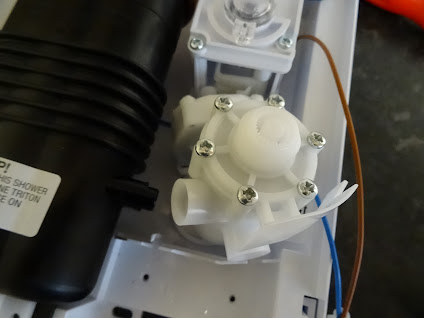
These valves work on the relationship between water pressure and flow.
Stabiliser Valve Diagnostics:
The "Hot/Cold" Cycle: If your water fluctuates between scalding and freezing without anyone else turning on a tap, the internal "stabiliser" piston is likely sticking due to limescale.
The Main Seal: In your teardown, you'll see a large rubber O-ring or diaphragm. If this is split, water will leak into the base of the shower tray, often triggering the PRD (Pressure Relief Device) to blow even if there's no hose blockage.
Repairability: Generally, these are "replace only" components because the plastic clips often break during disassembly. However, cleaning the internal mesh filter can sometimes restore flow.

No comments:
Post a Comment